










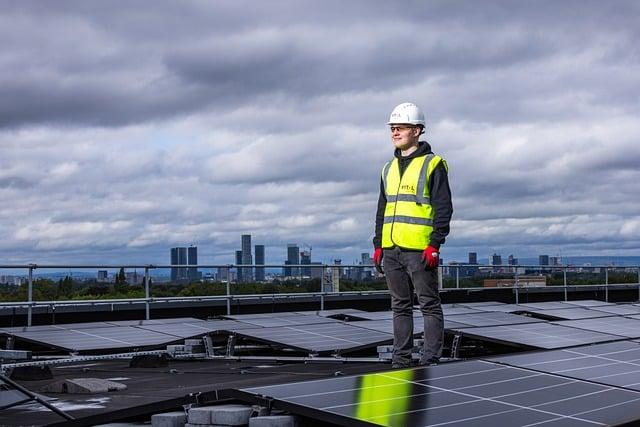
In the rapidly evolving landscape of renewable energy, solar panels have emerged as the shining stars of sustainable power solutions. As they adorn rooftops and sprawl across fields, these gleaming panels quietly harness the sun’s energy, converting it into electricity that fuels our homes and businesses. Yet, beneath their sleek surfaces lies a complex interplay of technology and innovation, where the true measure of their performance is unveiled: efficiency ratings. These ratings, often shrouded in technical jargon, hold the key to understanding how effectively a solar panel can transform sunlight into usable energy. In this exploration of , we will illuminate the factors that influence these critical numbers, demystify the ratings themselves, and explore how they guide businesses in making informed decisions for a sustainable future. Whether you’re a seasoned energy consultant or a curious newcomer, join us as we decode the intricacies of solar efficiency and its pivotal role in the quest for greener energy solutions.
Understanding the Metrics Behind Solar Panel Efficiency
When evaluating the effectiveness of solar panels for commercial use, several key metrics provide insight into their performance and suitability. Efficiency rating is a primary factor, indicating how well a solar panel converts sunlight into usable electricity. Typically expressed as a percentage, this metric reflects the proportion of solar energy captured and transformed into power. Higher efficiency ratings mean that less surface area is required to produce the same amount of energy, which can be crucial for businesses with limited rooftop space.
Beyond efficiency, several other factors contribute to a panel’s overall performance. Consider the temperature coefficient, which measures how much a panel’s efficiency decreases as temperatures rise. Panels with a lower temperature coefficient will perform better in hot climates. Additionally, the fill factor is an indicator of the panel’s quality and reliability, providing insight into the maximum power output relative to its ideal performance. Lastly, examining the degradation rate helps businesses understand how a panel’s efficiency will decline over time, ensuring long-term investment returns. These metrics, combined, paint a comprehensive picture of solar panel effectiveness, helping companies make informed decisions about their energy solutions.

Key Factors Influencing Commercial Solar Panel Performance
When assessing the efficiency of commercial solar panels, several pivotal elements come into play. Panel material is a significant factor; monocrystalline panels typically offer higher efficiency rates compared to polycrystalline options, due to their more uniform crystalline structure. Temperature coefficient also impacts performance; panels that maintain efficiency under higher temperatures are preferable for installations in hot climates.
- Installation angle and orientation: Proper alignment with the sun maximizes energy capture.
- Shading: Even partial shading can drastically reduce output, so careful site assessment is crucial.
- Maintenance: Regular cleaning and inspections ensure optimal performance and longevity.
- Inverter efficiency: High-quality inverters minimize energy loss during conversion from DC to AC power.
Understanding these factors helps businesses make informed decisions, optimizing both environmental benefits and financial returns.

Comparing Top Brands for Optimal Energy Output
When evaluating the efficiency ratings of commercial solar panels, several top brands stand out, each offering unique advantages. SunPower consistently ranks at the top, renowned for its high-efficiency Maxeon technology, which maximizes energy output even in low-light conditions. LG Solar is another leading contender, known for its NeON series that combines durability with impressive performance metrics, making it a favorite among businesses seeking long-term reliability.
Meanwhile, Panasonic offers its HIT series, celebrated for its innovative cell design that reduces energy loss and boosts overall efficiency. Canadian Solar provides a compelling option with its BiHiKu and HiKu series, which are designed to deliver robust energy production at a competitive price point. Each of these brands has carved out a niche by focusing on specific technological advancements and market needs, enabling businesses to choose a solution tailored to their energy requirements. Key factors to consider when comparing these brands include:
- Cell Technology: Differences in photovoltaic cell design can significantly impact efficiency and energy yield.
- Durability: Panel longevity and resistance to environmental factors are crucial for sustained performance.
- Warranty: Comprehensive warranties can provide peace of mind and long-term savings.
- Price Point: Balancing upfront costs with potential energy savings is essential for budget-conscious buyers.

Expert Recommendations for Maximizing Solar Investment
- Prioritize High-Efficiency Panels: To truly capitalize on your solar investment, selecting panels with high-efficiency ratings is crucial. These panels convert more sunlight into electricity, allowing you to generate more energy within a smaller space. Look for panels with efficiency ratings above 20%, as they are considered top-tier in the commercial market. Brands like SunPower and LG are known for producing some of the most efficient panels available.
- Consider Temperature Coefficient: Beyond just the efficiency rating, it’s important to examine the temperature coefficient of your solar panels. This value indicates how well a panel performs in high-temperature environments, which can impact overall efficiency. A lower temperature coefficient means better performance in heat, ensuring consistent energy production even on the hottest days.
- Evaluate Warranty and Longevity: Investing in solar panels with strong warranties and long lifespans can further maximize your investment. Look for products offering warranties of 25 years or more, as this reflects confidence in their durability and performance. Long-term reliability not only reduces replacement costs but also ensures steady returns on your energy investment.
Key Takeaways
As the sun sets on our exploration of , it’s clear that the path to harnessing solar power is as dynamic as the technology itself. Navigating the intricate landscape of efficiency ratings requires a balance of knowledge and foresight, ensuring that every ray of sunlight is captured with optimal effectiveness. Whether you’re a business owner considering a sustainable energy shift, or an enthusiast marveling at the innovations in solar technology, understanding these ratings is key to making informed decisions. As advancements continue to illuminate the solar sector, the promise of a greener, more efficient future remains as bright as the sun itself. Let us remain curious and informed as we move toward a horizon where sustainability meets innovation, one solar panel at a time.